How Memory Care Homes Improve Safety and Daily Life for Older Grownups
Business Name: BeeHive Homes of Plainview
Address: 1435 Lometa Dr, Plainview, TX 79072
Phone: (806) 452-5883
BeeHive Homes of Plainview
Beehive Homes of Plainview assisted living care is ideal for those who value their independence but require help with some of the activities of daily living. Residents enjoy 24-hour support, private bedrooms with baths, medication monitoring, home-cooked meals, housekeeping and laundry services, social activities and outings, and daily physical and mental exercise opportunities. Beehive Homes memory care services accommodates the growing number of seniors affected by memory loss and dementia. Beehive Homes offers respite (short-term) care for your loved one should the need arise. Whether help is needed after a surgery or illness, for vacation coverage, or just a break from the routine, respite care provides you peace of mind for any length of stay.
1435 Lometa Dr, Plainview, TX 79072
Business Hours
Families normally start exploring memory care after a pattern becomes difficult to overlook. A parent leaves the stove on. A partner obtains lost on an acquainted drive. Medicines are missed out on, then increased, after that missed out on again. At first, these moments feel like isolated gaps. Then they begin to pile up, and what looked workable inside a family members home starts to bring genuine risk.
That is where memory care can transform the everyday reality for an older adult and individuals that like them. A well-run memory care home does not just supply supervision. It forms the environment around the demands of someone living with Alzheimer's condition or another form of dementia. It lowers the chance of accidents, lowers complication, and gives framework to the parts of the day that tend to untangle initially, like bathing, meals, and medicine regimens. It additionally alleviates the concern on relative that have actually been attempting to hold everything with each other at home.
When individuals search for memory care near me, they are typically searching for more than a structure. They are looking for alleviation, but additionally self-respect. They want a place that really feels calmness, not clinical. Safe, not restrictive. Personal, not institutional. Good memory care homes pursue that balance every day.
Safety starts with the setting itself
One of the largest differences in between memory care and other sorts of senior living is the means the physical space is designed. In routine senior living near me searches, households might locate independent living or assisted living neighborhoods that are suitable for people with light assistance demands. Memory care adds one more layer of protection because it makes up the method cognitive modifications affect judgment, spatial understanding, and impulse control.
In technique, that indicates less dangers and fewer possibilities for a bad moment to become an emergency. Corridors are usually simple and simple to navigate. Exit doors are secured in ways that protect against roaming. Flooring is chosen to decrease falls and aesthetic complication. Lighting is consistent as opposed to severe, due to the fact that shadowy edges can agitate somebody with dementia and make them think a chair is a person, or a dark rug is a hole.
Small design choices make a large distinction. I have actually seen locals come to be significantly calmer when eating areas are organized so the course from bed room to table is short and familiar. A clearly significant restroom door can avoid a distressed middle-of-the-night search. Even something as easy as contrasting shades on walls, furniture, and order bars can aid someone orient faster and move with much less hesitation.
The objective is not to turn the individual right into a rule fan. The objective is to allow the setup do a few of the assuming for them.
Why supervision matters more than many households expect
Families frequently underestimate exactly how rapidly dementia can change risk. An individual that still talks well at morning meal may not remember how to use the microwave an hour later. Somebody that seems constant while seated may become risky as quickly as they stand as well quickly. That is why the day-and-night existence of trained personnel matters so much in memory care.
This is not just about reacting when something fails. It is about discovering the refined points prior to they end up being situations. A resident who stops eating lunch might be developing a swallowing problem, not just being choosy. An individual who paces all mid-day might be trying to find a washroom, really feeling discomfort, or becoming overstimulated. Personnel that know the locals well can detect these shifts due to the fact that they see patterns, not just separated behaviors.
That type of continuity is hard to duplicate in a private home, especially when family members caretakers are extended slim. A little girl might be handling work, children, and elder care. A partner might be tired from damaged rest and continuous caution. Also the most committed family caretaker can miss information when they are lugging way too much. Memory care homes minimize that stress by distributing duty throughout an experienced team.
Routines reduced stress and anxiety, and anxiety modifications everything
People living with dementia commonly rely upon rhythm long after they stop counting on temporary memory. They may not remember what day it is, but they might recognize morning meal comes after obtaining dressed, or that a brief walk helps before lunch. Foreseeable routines can lower agitation and make the whole day really feel less slippery.
This is one of the factors memory care homes often tend to feel steadier than other elder care setups. Dishes happen on a schedule. Activities are repeated in acquainted ways. Showering, grooming, and medicine adhere to patterns that locals can begin to anticipate. The predictability is soothing since it decreases the variety of choices a person needs to make when decision-making is already difficult.
That does not mean on a daily basis is identical. Great senior care still leaves area for state of mind, energy, and individual background. A resident who used to garden may light up when a caregiver brings in herbs to type and odor. A previous instructor may react well to reading aloud. A retired mechanic might take pleasure in folding towels while listening to a radio station he has actually understood for many years. The very best regimens are structured without really feeling rigid.
Families sometimes stress that regular ways dullness. In memory care, it usually implies the contrary. A tranquil structure develops the conditions for participation.
Meals, hygiene, and drugs are not small tasks
These are the normal activities that households usually discuss as if they are basic. They are not simple when amnesia is involved.
Eating can come to be complex due to the fact that a resident fails to remember to start, wearies mid-meal, or battles with utensils. Showering can trigger worry, shame, or resistance. Medication can be failed to remember, rejected, hidden, or taken two times. Each of these situations can silently influence wellness and safety.
Memory care staff collaborate with these truths every day. Meals are typically offered in manner ins which are less complicated to take care of, with acquainted foods and enough time to complete without sensation rushed. Caregivers understand how to hint instead of command, which can make the difference in between teamwork and rejection. As opposed to claiming, "Go shower," they might supply a towel, explain one action each time, and maintain self-respect as much as possible.
This is where experience issues. A rushed caretaker can rise a challenging early morning. A skilled caretaker knows when to stop briefly, reroute, or try once more later on. They comprehend that resistance is usually communication. Occasionally the person is cold. Often they are tired. Occasionally they do not comprehend what is happening. Memory care homes give personnel the moment and setting to respond with perseverance as opposed to pressure.
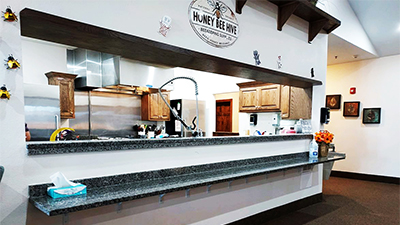
Medication management is another area where families really feel real relief. Missing a dose can have consequences, particularly when someone is taking medicine for blood pressure, diabetes mellitus, discomfort, or state of mind modifications. In a memory care setting, drug regimens are overseen, recorded, and readjusted with professional oversight as required. That does not remove all risk, yet it significantly reduces the turmoil that can come from trying to handle tablets in your home when memory is currently unreliable.
Communication modifications, and good memory care modifications with it
One of the hardest components of dementia is that an individual can still have actual feelings long after language starts to slip. They might not bear in mind a conversation 5 mins later, but they keep in mind whether they felt respected. They may not discover the right word, yet they know whether they were rushed, remedied, or dismissed.
Good memory care homes train team to satisfy citizens where they are. That suggests simpler sentences, slower pacing, calm body movement, and fewer options at once. It likewise indicates not arguing over information that will only create distress. If a resident believes it is 1968 and she requires to grab her kid from institution, one of the most helpful feedback is generally not a lecture about the schedule. It is confidence, redirection, and focus to the sensation underneath the statement.
This is one of the locations where memory care varies dramatically from basic senior living. The care is not just physical. It is relational. Staff learn each resident's routines, preferred subjects, member of the family, and causes. They might recognize that resident resolves after folded laundry, while one more needs a stroll prior to dinner. That understanding develops trust. Trust decreases worry. Concern, more than memory loss itself, usually drives the hardest behaviors.
Social life still matters, even when memory fades
Families occasionally presume that an individual with dementia is no more curious about social activity. Generally that is not true. The style simply needs to change.
Large events, loud events, and fast-moving conversations can be exhausting. However small, acquainted teams can be surprisingly stimulating. A singalong with old requirements may function much better than an official show. Arranging cards, throwing a soft sphere, or establishing the table can be extra engaging than a complicated craft task. The point is not efficiency. It is participation.
Memory care homes improve every day life by making link less complicated to access. Citizens are not left alone for lengthy stretches just since nobody understands what to do with them. They have opportunities to connect with team and peers throughout the day. That lowers isolation, which matters more than people recognize. Isolation can get worse confusion, anxiety, and anxiety, particularly in older grownups who currently feel untethered from their normal routines.
I have seen a resident that rarely spoke ended up being computer animated during an once a week songs team because one song reminded him of his Navy days. I have likewise seen locals who were peaceful most of the morning brighten right away when somebody generated a basket of laundry to fold together. These moments are small, however they are not minor. They provide the day form and meaning.
Families get a different kind of relationship
One of the agonizing facts of dementia caregiving is that relative usually slide from being daughters, children, and spouses right into being supervisors, screens, and constant problem-solvers. The relationship obtains crowded out by tasks.
Memory care can bring back some of that balance. When everyday guidance, dish support, safety checks, and habits surveillance are handled by a specialist team, households can invest even more of their time on link. A partner can sit and hold her partner's hand without likewise inspecting whether he took his pills. An adult boy can share old tales with his father as opposed to scanning for hazards. That shift matters mentally, and commonly practically.
This is likewise where respite care can play a crucial function. Some families are not ready to move a loved one completely, yet they need support throughout a health center keep, a caregiver holiday, or a duration of burnout. Respite care in a memory care establishing provides every person an opportunity to check the waters. Households can see exactly how their loved one reacts to an organized setting. The older grown-up obtains a refuge with experienced supervision. Occasionally that brief stay ends up being the initial clear evidence that home care was no more enough.
That type of understanding is important. Caregiving decisions are simpler when they are based upon lived experience as opposed to fear or guilt.
Not every memory care home is the same
This is where families require to decrease and look very closely. The expression memory care covers a variety of top quality. 2 communities may use similar language and cost comparable prices, yet really feel totally different once you walk through the door.
What matters is not just whether the building is secure, but whether the atmosphere is calm. Not only whether team are present, however whether they appear to know the locals. Not only whether activities are uploaded, but whether individuals actually take part. A brightened sales brochure informs you very little bit. A mid-morning visit tells you much more.
When assessing memory care near me, family members should pay attention to the details that disclose daily life. Are residents clean and comfortable? Do senior care near me team speak respectfully? Is there a smell of disinfectant hiding forget, or does the place really feel fresh and resided in? Do individuals appear hurried or settled? These observations are usually extra straightforward than sales language.
A well-run neighborhood ought to additionally be candid concerning restrictions. It ought to discuss how it deals with drops, straying, immune habits, and changes in health. If a facility guarantees that every trouble will certainly disappear, that is a warning sign. Actual memory care is not wonderful. It is skilled, mindful, and straightforward concerning what dementia can and can not be repaired to do.
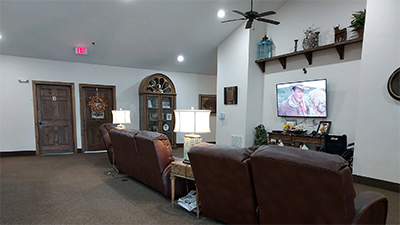
The trade-offs are genuine, and households are entitled to honesty
Memory care improves safety and day-to-day live, but it is not the ideal solution for every situation at every moment. Some people in the early stages of cognitive decrease are still much better served by home-based support, adult day programs, or assisted living with added aid. Others require memory care earlier because the risks in your home have ended up being also serious. The timing depends upon the person, the house, and the stress on caregivers.
Cost becomes part of the discussion as well. Memory care usually costs greater than fundamental assisted living since staffing and supervision demands are greater. That can really feel discouraging, particularly when households are already spending for medications, home modifications, or outside help. But comparing just the regular monthly rate misses out on the larger picture. If the home setting calls for multiple assistants, repeated ER visits, or continuous family members presence, the apparent savings might not be real.
There is likewise an emotional compromise. Transferring to memory care can feel like surrender, even when it is the right decision. Families might regret the loss of the old home, old regimens, and old roles. Those sensations are normal. Great elder care does not pretend or else. It offers individuals enough support to face the adjustment honestly.

What a good day can look like
An excellent day in memory care is not excellent. It is workable. The resident wakes up in a familiar area, gets aid with dressing if needed, and heads to morning meal without a long, confusing search for the kitchen area. A caregiver notices exhaustion and offers a quieter activity instead of forcing involvement. Lunch comes on time. Medicine is provided appropriately. There is a stroll, a game, maybe a favorite song. If stress and anxiety climbs in the late mid-day, team change the environment before it becomes a blow-up.
That regular solidity might appear moderate, but also for a person living with dementia it is substantial. Less worry. Less injuries. More self-respect. Much more chances to be successful at the small jobs that still matter. Better sleep at night because the day was not a series of emergencies.
That is the genuine guarantee of memory care. Not to eliminate amnesia, due to the fact that it can not. Not to change household, because it must not. The promise is to construct a more secure, calmer day-to-day live around the abilities that continue to be, while shielding the individual when their very own judgment no more can. For several families, that is the factor at which stress begins to alleviate and much better moments begin to appear once more, eventually at a time.
BeeHive Homes of Plainview provides assisted living care
BeeHive Homes of Plainview provides memory care services
BeeHive Homes of Plainview provides respite care services
BeeHive Homes of Plainview supports assistance with bathing and grooming
BeeHive Homes of Plainview offers private bedrooms with private bathrooms
BeeHive Homes of Plainview provides medication monitoring and documentation
BeeHive Homes of Plainview serves dietitian-approved meals
BeeHive Homes of Plainview provides housekeeping services
BeeHive Homes of Plainview provides laundry services
BeeHive Homes of Plainview offers community dining and social engagement activities
BeeHive Homes of Plainview features life enrichment activities
BeeHive Homes of Plainview supports personal care assistance during meals and daily routines
BeeHive Homes of Plainview promotes frequent physical and mental exercise opportunities
BeeHive Homes of Plainview provides a home-like residential environment
BeeHive Homes of Plainview creates customized care plans as residents’ needs change
BeeHive Homes of Plainview assesses individual resident care needs
BeeHive Homes of Plainview accepts private pay and long-term care insurance
BeeHive Homes of Plainview assists qualified veterans with Aid and Attendance benefits
BeeHive Homes of Plainview encourages meaningful resident-to-staff relationships
BeeHive Homes of Plainview delivers compassionate, attentive senior care focused on dignity and comfort
BeeHive Homes of Plainview has a phone number of (806) 452-5883
BeeHive Homes of Plainview has an address of 1435 Lometa Dr, Plainview, TX 79072
BeeHive Homes of Plainview has a website https://beehivehomes.com/locations/plainview/
BeeHive Homes of Plainview has Google Maps listing https://maps.app.goo.gl/UibVhBNmSuAjkgst5
BeeHive Homes of Plainview has Facebook page https://www.facebook.com/BeeHivePV
BeeHive Homes of Plainview has an YouTube page https://www.youtube.com/@WelcomeHomeBeeHiveHomes
BeeHive Homes of Plainview won Top Assisted Living Homes 2025
BeeHive Homes of Plainview earned Best Customer Service Award 2024
BeeHive Homes of Plainview placed 1st for Senior Living Communities 2025
People Also Ask about BeeHive Homes of Plainview
What is BeeHive Homes of Plainview Living monthly room rate?
The rate depends on the level of care that is needed. We do an initial evaluation for each potential resident to determine the level of care needed. The monthly rate is based on this evaluation. There are no hidden costs or fees
Can residents stay in BeeHive Homes until the end of their life?
Usually yes. There are exceptions, such as when there are safety issues with the resident, or they need 24 hour skilled nursing services
Do we have a nurse on staff?
No, but each BeeHive Home has a consulting Nurse available 24 – 7. if nursing services are needed, a doctor can order home health to come into the home
What are BeeHive Homes’ visiting hours?
Visiting hours are adjusted to accommodate the families and the resident’s needs… just not too early or too late
Do we have couple’s rooms available?
Yes, each home has rooms designed to accommodate couples. Please ask about the availability of these rooms
Where is BeeHive Homes of Plainview located?
BeeHive Homes of Plainview is conveniently located at 1435 Lometa Dr, Plainview, TX 79072. You can easily find directions on Google Maps or call at (806) 452-5883 Monday through Sunday 9:00am to 5:00pm
How can I contact BeeHive Homes of Plainview?
You can contact BeeHive Homes of Plainview by phone at: (806) 452-5883, visit their website at https://beehivehomes.com/locations/plainview/, or connect on social media via Facebook or YouTube
Residents may take a trip to the The Museum of the Llano Estacado . The Museum of the Llano Estacado offers regional history exhibits that create an engaging yet manageable outing for assisted living, memory care, senior care, elderly care, and respite care residents.